
Showing metabocard for Tryptamine (BMDB0000303)
| Record Information | ||||||||||||||||||||||||||||||||||||||||||||||||||||||||||
|---|---|---|---|---|---|---|---|---|---|---|---|---|---|---|---|---|---|---|---|---|---|---|---|---|---|---|---|---|---|---|---|---|---|---|---|---|---|---|---|---|---|---|---|---|---|---|---|---|---|---|---|---|---|---|---|---|---|---|
| Version | 1.0 | |||||||||||||||||||||||||||||||||||||||||||||||||||||||||
| Creation Date | 2016-09-30 22:28:06 UTC | |||||||||||||||||||||||||||||||||||||||||||||||||||||||||
| Update Date | 2020-05-21 16:28:51 UTC | |||||||||||||||||||||||||||||||||||||||||||||||||||||||||
| BMDB ID | BMDB0000303 | |||||||||||||||||||||||||||||||||||||||||||||||||||||||||
| Secondary Accession Numbers |
| |||||||||||||||||||||||||||||||||||||||||||||||||||||||||
| Metabolite Identification | ||||||||||||||||||||||||||||||||||||||||||||||||||||||||||
| Common Name | Tryptamine | |||||||||||||||||||||||||||||||||||||||||||||||||||||||||
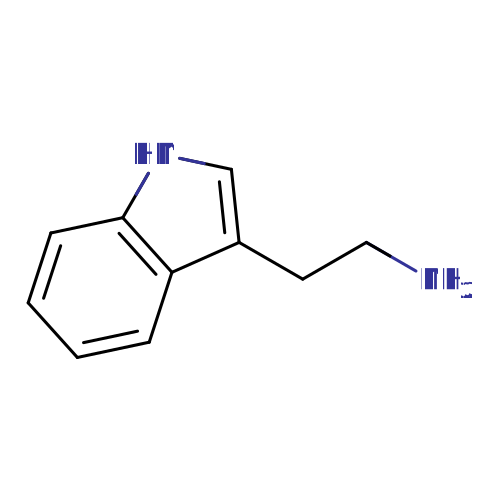
| Description | Tryptaminee belongs to the class of organic compounds known as tryptaminees and derivatives. Tryptaminees and derivatives are compounds containing the tryptaminee backbone, which is structurally characterized by an indole ring substituted at the 3-position by an ethanamine. Tryptaminee exists as a solid, possibly soluble (in water), and a very strong basic compound (based on its pKa) molecule. Tryptaminee exists in all living organisms, ranging from bacteria to humans. Tryptaminee participates in a number of enzymatic reactions, within cattle. In particular, Tryptaminee can be biosynthesized from L-tryptophan; which is mediated by the enzyme aromatic-L-amino-acid decarboxylase. In addition, Tryptaminee can be converted into indoleacetaldehyde through the action of the enzyme kynurenine 3-monooxygenase. In cattle, tryptaminee is involved in the metabolic pathway called the tryptophan metabolism pathway. | |||||||||||||||||||||||||||||||||||||||||||||||||||||||||
| Structure |  | |||||||||||||||||||||||||||||||||||||||||||||||||||||||||
| Synonyms |
| |||||||||||||||||||||||||||||||||||||||||||||||||||||||||
| Chemical Formula | C10H12N2 | |||||||||||||||||||||||||||||||||||||||||||||||||||||||||
| Average Molecular Weight | 160.2157 | |||||||||||||||||||||||||||||||||||||||||||||||||||||||||
| Monoisotopic Molecular Weight | 160.100048394 | |||||||||||||||||||||||||||||||||||||||||||||||||||||||||
| IUPAC Name | 2-(1H-indol-3-yl)ethan-1-amine | |||||||||||||||||||||||||||||||||||||||||||||||||||||||||
| Traditional Name | tryptamine | |||||||||||||||||||||||||||||||||||||||||||||||||||||||||
| CAS Registry Number | 61-54-1 | |||||||||||||||||||||||||||||||||||||||||||||||||||||||||
| SMILES | NCCC1=CNC2=C1C=CC=C2 | |||||||||||||||||||||||||||||||||||||||||||||||||||||||||
| InChI Identifier | InChI=1S/C10H12N2/c11-6-5-8-7-12-10-4-2-1-3-9(8)10/h1-4,7,12H,5-6,11H2 | |||||||||||||||||||||||||||||||||||||||||||||||||||||||||
| InChI Key | APJYDQYYACXCRM-UHFFFAOYSA-N | |||||||||||||||||||||||||||||||||||||||||||||||||||||||||
| Chemical Taxonomy | ||||||||||||||||||||||||||||||||||||||||||||||||||||||||||
| Description | belongs to the class of organic compounds known as tryptamines and derivatives. Tryptamines and derivatives are compounds containing the tryptamine backbone, which is structurally characterized by an indole ring substituted at the 3-position by an ethanamine. | |||||||||||||||||||||||||||||||||||||||||||||||||||||||||
| Kingdom | Organic compounds | |||||||||||||||||||||||||||||||||||||||||||||||||||||||||
| Super Class | Organoheterocyclic compounds | |||||||||||||||||||||||||||||||||||||||||||||||||||||||||
| Class | Indoles and derivatives | |||||||||||||||||||||||||||||||||||||||||||||||||||||||||
| Sub Class | Tryptamines and derivatives | |||||||||||||||||||||||||||||||||||||||||||||||||||||||||
| Direct Parent | Tryptamines and derivatives | |||||||||||||||||||||||||||||||||||||||||||||||||||||||||
| Alternative Parents | ||||||||||||||||||||||||||||||||||||||||||||||||||||||||||
| Substituents |
| |||||||||||||||||||||||||||||||||||||||||||||||||||||||||
| Molecular Framework | Aromatic heteropolycyclic compounds | |||||||||||||||||||||||||||||||||||||||||||||||||||||||||
| External Descriptors |
| |||||||||||||||||||||||||||||||||||||||||||||||||||||||||
| Ontology | ||||||||||||||||||||||||||||||||||||||||||||||||||||||||||
| Status | Expected but not Quantified | |||||||||||||||||||||||||||||||||||||||||||||||||||||||||
| Origin |
| |||||||||||||||||||||||||||||||||||||||||||||||||||||||||
| Biofunction | Not Available | |||||||||||||||||||||||||||||||||||||||||||||||||||||||||
| Application | Not Available | |||||||||||||||||||||||||||||||||||||||||||||||||||||||||
| Cellular locations |
| |||||||||||||||||||||||||||||||||||||||||||||||||||||||||
| Physical Properties | ||||||||||||||||||||||||||||||||||||||||||||||||||||||||||
| State | Solid | |||||||||||||||||||||||||||||||||||||||||||||||||||||||||
| Experimental Properties |
| |||||||||||||||||||||||||||||||||||||||||||||||||||||||||
| Predicted Properties |
| |||||||||||||||||||||||||||||||||||||||||||||||||||||||||
| Spectra | ||||||||||||||||||||||||||||||||||||||||||||||||||||||||||
| Spectra | ||||||||||||||||||||||||||||||||||||||||||||||||||||||||||
| Biological Properties | ||||||||||||||||||||||||||||||||||||||||||||||||||||||||||
| Cellular Locations |
| |||||||||||||||||||||||||||||||||||||||||||||||||||||||||
| Biospecimen Locations |
| |||||||||||||||||||||||||||||||||||||||||||||||||||||||||
| Pathways |
| |||||||||||||||||||||||||||||||||||||||||||||||||||||||||
| Normal Concentrations | ||||||||||||||||||||||||||||||||||||||||||||||||||||||||||
| ||||||||||||||||||||||||||||||||||||||||||||||||||||||||||
| Abnormal Concentrations | ||||||||||||||||||||||||||||||||||||||||||||||||||||||||||
| Not Available | ||||||||||||||||||||||||||||||||||||||||||||||||||||||||||
| External Links | ||||||||||||||||||||||||||||||||||||||||||||||||||||||||||
| HMDB ID | HMDB0000303 | |||||||||||||||||||||||||||||||||||||||||||||||||||||||||
| DrugBank ID | DB08653 | |||||||||||||||||||||||||||||||||||||||||||||||||||||||||
| Phenol Explorer Compound ID | Not Available | |||||||||||||||||||||||||||||||||||||||||||||||||||||||||
| FooDB ID | FDB000917 | |||||||||||||||||||||||||||||||||||||||||||||||||||||||||
| KNApSAcK ID | C00001434 | |||||||||||||||||||||||||||||||||||||||||||||||||||||||||
| Chemspider ID | 1118 | |||||||||||||||||||||||||||||||||||||||||||||||||||||||||
| KEGG Compound ID | C00398 | |||||||||||||||||||||||||||||||||||||||||||||||||||||||||
| BioCyc ID | TRYPTAMINE | |||||||||||||||||||||||||||||||||||||||||||||||||||||||||
| BiGG ID | Not Available | |||||||||||||||||||||||||||||||||||||||||||||||||||||||||
| Wikipedia Link | Tryptamine | |||||||||||||||||||||||||||||||||||||||||||||||||||||||||
| METLIN ID | Not Available | |||||||||||||||||||||||||||||||||||||||||||||||||||||||||
| PubChem Compound | 1150 | |||||||||||||||||||||||||||||||||||||||||||||||||||||||||
| PDB ID | Not Available | |||||||||||||||||||||||||||||||||||||||||||||||||||||||||
| ChEBI ID | 16765 | |||||||||||||||||||||||||||||||||||||||||||||||||||||||||
| References | ||||||||||||||||||||||||||||||||||||||||||||||||||||||||||
| Synthesis Reference | Abramovitch, R. A.; Shapiro, D. Tryptamines, carbolines, and related compounds. II. A convenient synthesis of tryptamines and b-carbolines. Journal of the Chemical Society (1956), 4589-92. | |||||||||||||||||||||||||||||||||||||||||||||||||||||||||
| Material Safety Data Sheet (MSDS) | Not Available | |||||||||||||||||||||||||||||||||||||||||||||||||||||||||
| General References | Not Available | |||||||||||||||||||||||||||||||||||||||||||||||||||||||||
Enzymes
- General function:
- Amino acid transport and metabolism
- Specific function:
- Catalyzes the decarboxylation of L-3,4-dihydroxyphenylalanine (DOPA) to dopamine, L-5-hydroxytryptophan to serotonin and L-tryptophan to tryptamine.
- Gene Name:
- DDC
- Uniprot ID:
- P27718
- Molecular weight:
- 54294.0
Reactions
| L-Tryptophan → Tryptamine + Carbon dioxide | details |