
Showing metabocard for Cyanide (BMDB0002084)
| Record Information | |||||||||||||||||||||||||||||||||||||||||||||||||
|---|---|---|---|---|---|---|---|---|---|---|---|---|---|---|---|---|---|---|---|---|---|---|---|---|---|---|---|---|---|---|---|---|---|---|---|---|---|---|---|---|---|---|---|---|---|---|---|---|---|
| Version | 1.0 | ||||||||||||||||||||||||||||||||||||||||||||||||
| Creation Date | 2016-09-30 22:50:59 UTC | ||||||||||||||||||||||||||||||||||||||||||||||||
| Update Date | 2020-05-20 23:09:43 UTC | ||||||||||||||||||||||||||||||||||||||||||||||||
| BMDB ID | BMDB0002084 | ||||||||||||||||||||||||||||||||||||||||||||||||
| Secondary Accession Numbers |
| ||||||||||||||||||||||||||||||||||||||||||||||||
| Metabolite Identification | |||||||||||||||||||||||||||||||||||||||||||||||||
| Common Name | Cyanide | ||||||||||||||||||||||||||||||||||||||||||||||||
| Description | Cyanide, also known as chuck norrisium or cyanide ion, belongs to the class of organic compounds known as nitriles. Nitriles are compounds having the structure RC#N; thus C-substituted derivatives of hydrocyanic acid, HC#N. Cyanide is possibly neutral. Cyanide exists in all living species, ranging from bacteria to humans. Cyanide is a potentially toxic compound. | ||||||||||||||||||||||||||||||||||||||||||||||||
| Structure | 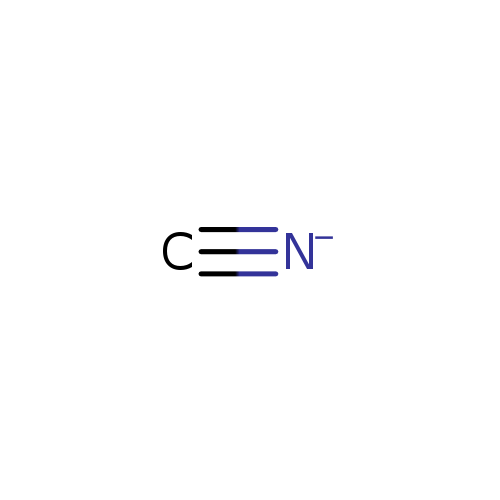 | ||||||||||||||||||||||||||||||||||||||||||||||||
| Synonyms |
| ||||||||||||||||||||||||||||||||||||||||||||||||
| Chemical Formula | CHN | ||||||||||||||||||||||||||||||||||||||||||||||||
| Average Molecular Weight | 27.0253 | ||||||||||||||||||||||||||||||||||||||||||||||||
| Monoisotopic Molecular Weight | 27.010899037 | ||||||||||||||||||||||||||||||||||||||||||||||||
| IUPAC Name | methylidyneazanidyl | ||||||||||||||||||||||||||||||||||||||||||||||||
| Traditional Name | methylidyneazanidyl | ||||||||||||||||||||||||||||||||||||||||||||||||
| CAS Registry Number | 57-12-5 | ||||||||||||||||||||||||||||||||||||||||||||||||
| SMILES | C#[N-] | ||||||||||||||||||||||||||||||||||||||||||||||||
| InChI Identifier | InChI=1S/CHN/c1-2/h1H/q-1 | ||||||||||||||||||||||||||||||||||||||||||||||||
| InChI Key | ATBDVLSINHAXGY-UHFFFAOYSA-N | ||||||||||||||||||||||||||||||||||||||||||||||||
| Chemical Taxonomy | |||||||||||||||||||||||||||||||||||||||||||||||||
| Description | belongs to the class of organic compounds known as nitriles. Nitriles are compounds having the structure RC#N; thus C-substituted derivatives of hydrocyanic acid, HC#N. | ||||||||||||||||||||||||||||||||||||||||||||||||
| Kingdom | Organic compounds | ||||||||||||||||||||||||||||||||||||||||||||||||
| Super Class | Organic nitrogen compounds | ||||||||||||||||||||||||||||||||||||||||||||||||
| Class | Organonitrogen compounds | ||||||||||||||||||||||||||||||||||||||||||||||||
| Sub Class | Organic cyanides | ||||||||||||||||||||||||||||||||||||||||||||||||
| Direct Parent | Nitriles | ||||||||||||||||||||||||||||||||||||||||||||||||
| Alternative Parents | |||||||||||||||||||||||||||||||||||||||||||||||||
| Substituents |
| ||||||||||||||||||||||||||||||||||||||||||||||||
| Molecular Framework | Aliphatic acyclic compounds | ||||||||||||||||||||||||||||||||||||||||||||||||
| External Descriptors | Not Available | ||||||||||||||||||||||||||||||||||||||||||||||||
| Ontology | |||||||||||||||||||||||||||||||||||||||||||||||||
| Status | Expected but not Quantified | ||||||||||||||||||||||||||||||||||||||||||||||||
| Origin |
| ||||||||||||||||||||||||||||||||||||||||||||||||
| Biofunction | Not Available | ||||||||||||||||||||||||||||||||||||||||||||||||
| Application | Not Available | ||||||||||||||||||||||||||||||||||||||||||||||||
| Cellular locations |
| ||||||||||||||||||||||||||||||||||||||||||||||||
| Physical Properties | |||||||||||||||||||||||||||||||||||||||||||||||||
| State | Solid | ||||||||||||||||||||||||||||||||||||||||||||||||
| Experimental Properties |
| ||||||||||||||||||||||||||||||||||||||||||||||||
| Predicted Properties |
| ||||||||||||||||||||||||||||||||||||||||||||||||
| Spectra | |||||||||||||||||||||||||||||||||||||||||||||||||
| Spectra | |||||||||||||||||||||||||||||||||||||||||||||||||
| Biological Properties | |||||||||||||||||||||||||||||||||||||||||||||||||
| Cellular Locations |
| ||||||||||||||||||||||||||||||||||||||||||||||||
| Biospecimen Locations | Not Available | ||||||||||||||||||||||||||||||||||||||||||||||||
| Pathways |
| ||||||||||||||||||||||||||||||||||||||||||||||||
| Normal Concentrations | |||||||||||||||||||||||||||||||||||||||||||||||||
| Not Available | |||||||||||||||||||||||||||||||||||||||||||||||||
| Abnormal Concentrations | |||||||||||||||||||||||||||||||||||||||||||||||||
| Not Available | |||||||||||||||||||||||||||||||||||||||||||||||||
| External Links | |||||||||||||||||||||||||||||||||||||||||||||||||
| HMDB ID | HMDB0002084 | ||||||||||||||||||||||||||||||||||||||||||||||||
| DrugBank ID | Not Available | ||||||||||||||||||||||||||||||||||||||||||||||||
| Phenol Explorer Compound ID | Not Available | ||||||||||||||||||||||||||||||||||||||||||||||||
| FooDB ID | FDB006696 | ||||||||||||||||||||||||||||||||||||||||||||||||
| KNApSAcK ID | C00007569 | ||||||||||||||||||||||||||||||||||||||||||||||||
| Chemspider ID | 5755 | ||||||||||||||||||||||||||||||||||||||||||||||||
| KEGG Compound ID | C00177 | ||||||||||||||||||||||||||||||||||||||||||||||||
| BioCyc ID | Not Available | ||||||||||||||||||||||||||||||||||||||||||||||||
| BiGG ID | 34146 | ||||||||||||||||||||||||||||||||||||||||||||||||
| Wikipedia Link | Cyanide | ||||||||||||||||||||||||||||||||||||||||||||||||
| METLIN ID | Not Available | ||||||||||||||||||||||||||||||||||||||||||||||||
| PubChem Compound | 5975 | ||||||||||||||||||||||||||||||||||||||||||||||||
| PDB ID | Not Available | ||||||||||||||||||||||||||||||||||||||||||||||||
| ChEBI ID | 17514 | ||||||||||||||||||||||||||||||||||||||||||||||||
| References | |||||||||||||||||||||||||||||||||||||||||||||||||
| Synthesis Reference | Furuki, Masakazu; Moriguchi, Yuzo; Akakabe, Tethuro; Kitamura, Hiroyuki. Cyanide production with excess sludge incineration. Hyogo-kenritsu Kogai Kenkyusho Kenkyu Hokoku (1974), 6 31-5. | ||||||||||||||||||||||||||||||||||||||||||||||||
| Material Safety Data Sheet (MSDS) | Not Available | ||||||||||||||||||||||||||||||||||||||||||||||||
| General References | Not Available | ||||||||||||||||||||||||||||||||||||||||||||||||

Enzymes
- General function:
- Inorganic ion transport and metabolism
- Specific function:
- Together with MRPL18, acts as a mitochondrial import factor for the cytosolic 5S rRNA. Only the nascent unfolded cytoplasmic form is able to bind to the 5S rRNA (By similarity). Formation of iron-sulfur complexes and cyanide detoxification. Binds molecular oxygen and sulfur.
- Gene Name:
- TST
- Uniprot ID:
- P00586
- Molecular weight:
- 33296.0
Reactions
| 3-Mercaptopyruvic acid + Cyanide → Pyruvic acid + Thiocyanate | details |