
Showing metabocard for Arsenite (BMDB0011620)
| Record Information | ||||||||||||||||||||||||||||||||||||||||||||||||||||
|---|---|---|---|---|---|---|---|---|---|---|---|---|---|---|---|---|---|---|---|---|---|---|---|---|---|---|---|---|---|---|---|---|---|---|---|---|---|---|---|---|---|---|---|---|---|---|---|---|---|---|---|---|
| Version | 1.0 | |||||||||||||||||||||||||||||||||||||||||||||||||||
| Creation Date | 2016-10-03 18:21:49 UTC | |||||||||||||||||||||||||||||||||||||||||||||||||||
| Update Date | 2020-04-22 15:45:37 UTC | |||||||||||||||||||||||||||||||||||||||||||||||||||
| BMDB ID | BMDB0011620 | |||||||||||||||||||||||||||||||||||||||||||||||||||
| Secondary Accession Numbers |
| |||||||||||||||||||||||||||||||||||||||||||||||||||
| Metabolite Identification | ||||||||||||||||||||||||||||||||||||||||||||||||||||
| Common Name | Arsenite | |||||||||||||||||||||||||||||||||||||||||||||||||||
| Description | Arsenite, also known as [as(OH)3] or arsenic trioxide, belongs to the class of inorganic compounds known as miscellaneous arsenites. These are inorganic compounds in which the largest metallic oxoanion is arsenite, to which either no atom or a non metal atom is bonded. Arsenite is an extremely weak basic (essentially neutral) compound (based on its pKa). Arsenite exists in all living organisms, ranging from bacteria to humans. Arsenite is formally rated as a carcinogen (by IARC 1) and is also a potentially toxic compound. | |||||||||||||||||||||||||||||||||||||||||||||||||||
| Structure | 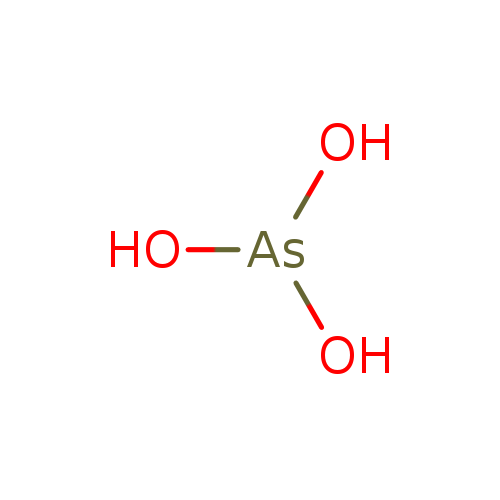 | |||||||||||||||||||||||||||||||||||||||||||||||||||
| Synonyms |
| |||||||||||||||||||||||||||||||||||||||||||||||||||
| Chemical Formula | AsH3O3 | |||||||||||||||||||||||||||||||||||||||||||||||||||
| Average Molecular Weight | 125.9436 | |||||||||||||||||||||||||||||||||||||||||||||||||||
| Monoisotopic Molecular Weight | 125.929815379 | |||||||||||||||||||||||||||||||||||||||||||||||||||
| IUPAC Name | arsorous acid | |||||||||||||||||||||||||||||||||||||||||||||||||||
| Traditional Name | arsenite | |||||||||||||||||||||||||||||||||||||||||||||||||||
| CAS Registry Number | 13464-58-9 | |||||||||||||||||||||||||||||||||||||||||||||||||||
| SMILES | O[As](O)O | |||||||||||||||||||||||||||||||||||||||||||||||||||
| InChI Identifier | InChI=1S/AsH3O3/c2-1(3)4/h2-4H | |||||||||||||||||||||||||||||||||||||||||||||||||||
| InChI Key | GCPXMJHSNVMWNM-UHFFFAOYSA-N | |||||||||||||||||||||||||||||||||||||||||||||||||||
| Chemical Taxonomy | ||||||||||||||||||||||||||||||||||||||||||||||||||||
| Description | belongs to the class of inorganic compounds known as miscellaneous arsenites. These are inorganic compounds in which the largest metallic oxoanion is arsenite, to which either no atom or a non metal atom is bonded. | |||||||||||||||||||||||||||||||||||||||||||||||||||
| Kingdom | Inorganic compounds | |||||||||||||||||||||||||||||||||||||||||||||||||||
| Super Class | Mixed metal/non-metal compounds | |||||||||||||||||||||||||||||||||||||||||||||||||||
| Class | Miscellaneous mixed metal/non-metals | |||||||||||||||||||||||||||||||||||||||||||||||||||
| Sub Class | Miscellaneous metallic oxoanionic compounds | |||||||||||||||||||||||||||||||||||||||||||||||||||
| Direct Parent | Miscellaneous arsenites | |||||||||||||||||||||||||||||||||||||||||||||||||||
| Alternative Parents | ||||||||||||||||||||||||||||||||||||||||||||||||||||
| Substituents |
| |||||||||||||||||||||||||||||||||||||||||||||||||||
| Molecular Framework | Not Available | |||||||||||||||||||||||||||||||||||||||||||||||||||
| External Descriptors |
| |||||||||||||||||||||||||||||||||||||||||||||||||||
| Ontology | ||||||||||||||||||||||||||||||||||||||||||||||||||||
| Status | Expected but not Quantified | |||||||||||||||||||||||||||||||||||||||||||||||||||
| Origin |
| |||||||||||||||||||||||||||||||||||||||||||||||||||
| Biofunction | Not Available | |||||||||||||||||||||||||||||||||||||||||||||||||||
| Application | Not Available | |||||||||||||||||||||||||||||||||||||||||||||||||||
| Cellular locations |
| |||||||||||||||||||||||||||||||||||||||||||||||||||
| Physical Properties | ||||||||||||||||||||||||||||||||||||||||||||||||||||
| State | Solid | |||||||||||||||||||||||||||||||||||||||||||||||||||
| Experimental Properties |
| |||||||||||||||||||||||||||||||||||||||||||||||||||
| Predicted Properties |
| |||||||||||||||||||||||||||||||||||||||||||||||||||
| Spectra | ||||||||||||||||||||||||||||||||||||||||||||||||||||
| Spectra | ||||||||||||||||||||||||||||||||||||||||||||||||||||
| Biological Properties | ||||||||||||||||||||||||||||||||||||||||||||||||||||
| Cellular Locations |
| |||||||||||||||||||||||||||||||||||||||||||||||||||
| Biospecimen Locations | Not Available | |||||||||||||||||||||||||||||||||||||||||||||||||||
| Pathways |
| |||||||||||||||||||||||||||||||||||||||||||||||||||
| Normal Concentrations | ||||||||||||||||||||||||||||||||||||||||||||||||||||
| Not Available | ||||||||||||||||||||||||||||||||||||||||||||||||||||
| Abnormal Concentrations | ||||||||||||||||||||||||||||||||||||||||||||||||||||
| Not Available | ||||||||||||||||||||||||||||||||||||||||||||||||||||
| External Links | ||||||||||||||||||||||||||||||||||||||||||||||||||||
| HMDB ID | HMDB0011620 | |||||||||||||||||||||||||||||||||||||||||||||||||||
| DrugBank ID | DB04456 | |||||||||||||||||||||||||||||||||||||||||||||||||||
| Phenol Explorer Compound ID | Not Available | |||||||||||||||||||||||||||||||||||||||||||||||||||
| FooDB ID | Not Available | |||||||||||||||||||||||||||||||||||||||||||||||||||
| KNApSAcK ID | Not Available | |||||||||||||||||||||||||||||||||||||||||||||||||||
| Chemspider ID | Not Available | |||||||||||||||||||||||||||||||||||||||||||||||||||
| KEGG Compound ID | Not Available | |||||||||||||||||||||||||||||||||||||||||||||||||||
| BioCyc ID | Not Available | |||||||||||||||||||||||||||||||||||||||||||||||||||
| BiGG ID | Not Available | |||||||||||||||||||||||||||||||||||||||||||||||||||
| Wikipedia Link | Arsenous acid | |||||||||||||||||||||||||||||||||||||||||||||||||||
| METLIN ID | Not Available | |||||||||||||||||||||||||||||||||||||||||||||||||||
| PubChem Compound | 545 | |||||||||||||||||||||||||||||||||||||||||||||||||||
| PDB ID | Not Available | |||||||||||||||||||||||||||||||||||||||||||||||||||
| ChEBI ID | 49900 | |||||||||||||||||||||||||||||||||||||||||||||||||||
| References | ||||||||||||||||||||||||||||||||||||||||||||||||||||
| Synthesis Reference | Not Available | |||||||||||||||||||||||||||||||||||||||||||||||||||
| Material Safety Data Sheet (MSDS) | Not Available | |||||||||||||||||||||||||||||||||||||||||||||||||||
| General References | Not Available | |||||||||||||||||||||||||||||||||||||||||||||||||||
Enzymes
- General function:
- Inorganic ion transport and metabolism
- Specific function:
- ATPase required for the post-translational delivery of tail-anchored (TA) proteins to the endoplasmic reticulum. Recognizes and selectively binds the transmembrane domain of TA proteins in the cytosol. This complex then targets to the endoplasmic reticulum by membrane-bound receptors, where the tail-anchored protein is released for insertion. This process is regulated by ATP binding and hydrolysis. ATP binding drives the homodimer towards the closed dimer state, facilitating recognition of newly synthesized TA membrane proteins. ATP hydrolysis is required for insertion. Subsequently, the homodimer reverts towards the open dimer state, lowering its affinity for the membrane-bound receptor, and returning it to the cytosol to initiate a new round of targeting.
- Gene Name:
- GET3
- Uniprot ID:
- A5PJI5
- Molecular weight:
- 38793.0