
Showing metabocard for Mannose 6-phosphate (BMDB0001078)
| Record Information | ||||||||||||||||||||||||||||||||||||||||||||||||||||||||||
|---|---|---|---|---|---|---|---|---|---|---|---|---|---|---|---|---|---|---|---|---|---|---|---|---|---|---|---|---|---|---|---|---|---|---|---|---|---|---|---|---|---|---|---|---|---|---|---|---|---|---|---|---|---|---|---|---|---|---|
| Version | 1.0 | |||||||||||||||||||||||||||||||||||||||||||||||||||||||||
| Creation Date | 2016-09-30 22:40:48 UTC | |||||||||||||||||||||||||||||||||||||||||||||||||||||||||
| Update Date | 2020-05-21 16:26:57 UTC | |||||||||||||||||||||||||||||||||||||||||||||||||||||||||
| BMDB ID | BMDB0001078 | |||||||||||||||||||||||||||||||||||||||||||||||||||||||||
| Secondary Accession Numbers |
| |||||||||||||||||||||||||||||||||||||||||||||||||||||||||
| Metabolite Identification | ||||||||||||||||||||||||||||||||||||||||||||||||||||||||||
| Common Name | Mannose 6-phosphate | |||||||||||||||||||||||||||||||||||||||||||||||||||||||||
| Description | Mannose 6-phosphate, also known as alpha-D-mannose-6-p or mannose 6-phosphate, belongs to the class of organic compounds known as hexose phosphates. These are carbohydrate derivatives containing a hexose substituted by one or more phosphate groups. Mannose 6-phosphate is possibly soluble (in water) and an extremely weak basic (essentially neutral) compound (based on its pKa). Mannose 6-phosphate exists in all eukaryotes, ranging from yeast to humans. Mannose 6-phosphate participates in a number of enzymatic reactions, within cattle. In particular, Mannose 6-phosphate can be converted into fructose 6-phosphate; which is catalyzed by the enzyme mannose 6-phosphate isomerase. In addition, Mannose 6-phosphate can be biosynthesized from D-mannose through the action of the enzyme hexokinase-1. In cattle, mannose 6-phosphate is involved in the metabolic pathway called the fructose and mannose degradation pathway. | |||||||||||||||||||||||||||||||||||||||||||||||||||||||||
| Structure | 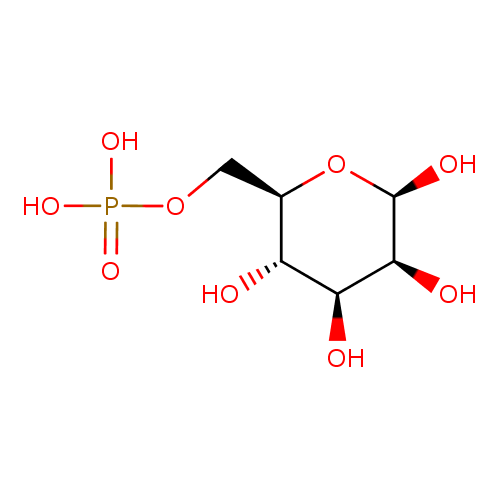 | |||||||||||||||||||||||||||||||||||||||||||||||||||||||||
| Synonyms |
| |||||||||||||||||||||||||||||||||||||||||||||||||||||||||
| Chemical Formula | C6H13O9P | |||||||||||||||||||||||||||||||||||||||||||||||||||||||||
| Average Molecular Weight | 260.1358 | |||||||||||||||||||||||||||||||||||||||||||||||||||||||||
| Monoisotopic Molecular Weight | 260.029718526 | |||||||||||||||||||||||||||||||||||||||||||||||||||||||||
| IUPAC Name | {[(2R,3S,4S,5S,6R)-3,4,5,6-tetrahydroxyoxan-2-yl]methoxy}phosphonic acid | |||||||||||||||||||||||||||||||||||||||||||||||||||||||||
| Traditional Name | mannose 6 phosphate | |||||||||||||||||||||||||||||||||||||||||||||||||||||||||
| CAS Registry Number | 3672-15-9 | |||||||||||||||||||||||||||||||||||||||||||||||||||||||||
| SMILES | O[C@@H]1O[C@H](COP(O)(O)=O)[C@@H](O)[C@H](O)[C@@H]1O | |||||||||||||||||||||||||||||||||||||||||||||||||||||||||
| InChI Identifier | InChI=1S/C6H13O9P/c7-3-2(1-14-16(11,12)13)15-6(10)5(9)4(3)8/h2-10H,1H2,(H2,11,12,13)/t2-,3-,4+,5+,6-/m1/s1 | |||||||||||||||||||||||||||||||||||||||||||||||||||||||||
| InChI Key | NBSCHQHZLSJFNQ-RWOPYEJCSA-N | |||||||||||||||||||||||||||||||||||||||||||||||||||||||||
| Chemical Taxonomy | ||||||||||||||||||||||||||||||||||||||||||||||||||||||||||
| Description | belongs to the class of organic compounds known as hexose phosphates. These are carbohydrate derivatives containing a hexose substituted by one or more phosphate groups. | |||||||||||||||||||||||||||||||||||||||||||||||||||||||||
| Kingdom | Organic compounds | |||||||||||||||||||||||||||||||||||||||||||||||||||||||||
| Super Class | Organic oxygen compounds | |||||||||||||||||||||||||||||||||||||||||||||||||||||||||
| Class | Organooxygen compounds | |||||||||||||||||||||||||||||||||||||||||||||||||||||||||
| Sub Class | Carbohydrates and carbohydrate conjugates | |||||||||||||||||||||||||||||||||||||||||||||||||||||||||
| Direct Parent | Hexose phosphates | |||||||||||||||||||||||||||||||||||||||||||||||||||||||||
| Alternative Parents | ||||||||||||||||||||||||||||||||||||||||||||||||||||||||||
| Substituents |
| |||||||||||||||||||||||||||||||||||||||||||||||||||||||||
| Molecular Framework | Aliphatic heteromonocyclic compounds | |||||||||||||||||||||||||||||||||||||||||||||||||||||||||
| External Descriptors |
| |||||||||||||||||||||||||||||||||||||||||||||||||||||||||
| Ontology | ||||||||||||||||||||||||||||||||||||||||||||||||||||||||||
| Status | Expected but not Quantified | |||||||||||||||||||||||||||||||||||||||||||||||||||||||||
| Origin |
| |||||||||||||||||||||||||||||||||||||||||||||||||||||||||
| Biofunction | Not Available | |||||||||||||||||||||||||||||||||||||||||||||||||||||||||
| Application | Not Available | |||||||||||||||||||||||||||||||||||||||||||||||||||||||||
| Cellular locations |
| |||||||||||||||||||||||||||||||||||||||||||||||||||||||||
| Physical Properties | ||||||||||||||||||||||||||||||||||||||||||||||||||||||||||
| State | Solid | |||||||||||||||||||||||||||||||||||||||||||||||||||||||||
| Experimental Properties |
| |||||||||||||||||||||||||||||||||||||||||||||||||||||||||
| Predicted Properties |
| |||||||||||||||||||||||||||||||||||||||||||||||||||||||||
| Spectra | ||||||||||||||||||||||||||||||||||||||||||||||||||||||||||
| Spectra | ||||||||||||||||||||||||||||||||||||||||||||||||||||||||||
| Biological Properties | ||||||||||||||||||||||||||||||||||||||||||||||||||||||||||
| Cellular Locations |
| |||||||||||||||||||||||||||||||||||||||||||||||||||||||||
| Biospecimen Locations |
| |||||||||||||||||||||||||||||||||||||||||||||||||||||||||
| Pathways |
| |||||||||||||||||||||||||||||||||||||||||||||||||||||||||
| Normal Concentrations | ||||||||||||||||||||||||||||||||||||||||||||||||||||||||||
| ||||||||||||||||||||||||||||||||||||||||||||||||||||||||||
| Abnormal Concentrations | ||||||||||||||||||||||||||||||||||||||||||||||||||||||||||
| Not Available | ||||||||||||||||||||||||||||||||||||||||||||||||||||||||||
| External Links | ||||||||||||||||||||||||||||||||||||||||||||||||||||||||||
| HMDB ID | HMDB0001078 | |||||||||||||||||||||||||||||||||||||||||||||||||||||||||
| DrugBank ID | Not Available | |||||||||||||||||||||||||||||||||||||||||||||||||||||||||
| Phenol Explorer Compound ID | Not Available | |||||||||||||||||||||||||||||||||||||||||||||||||||||||||
| FooDB ID | FDB022411 | |||||||||||||||||||||||||||||||||||||||||||||||||||||||||
| KNApSAcK ID | Not Available | |||||||||||||||||||||||||||||||||||||||||||||||||||||||||
| Chemspider ID | 388338 | |||||||||||||||||||||||||||||||||||||||||||||||||||||||||
| KEGG Compound ID | C00275 | |||||||||||||||||||||||||||||||||||||||||||||||||||||||||
| BioCyc ID | Not Available | |||||||||||||||||||||||||||||||||||||||||||||||||||||||||
| BiGG ID | 34471 | |||||||||||||||||||||||||||||||||||||||||||||||||||||||||
| Wikipedia Link | Mannose 6-phosphate | |||||||||||||||||||||||||||||||||||||||||||||||||||||||||
| METLIN ID | 5987 | |||||||||||||||||||||||||||||||||||||||||||||||||||||||||
| PubChem Compound | 439198 | |||||||||||||||||||||||||||||||||||||||||||||||||||||||||
| PDB ID | Not Available | |||||||||||||||||||||||||||||||||||||||||||||||||||||||||
| ChEBI ID | 49728 | |||||||||||||||||||||||||||||||||||||||||||||||||||||||||
| References | ||||||||||||||||||||||||||||||||||||||||||||||||||||||||||
| Synthesis Reference | Pascual, C.; Herrera, L. Use of permeabilized yeast cells as a system of enzyme immobilization. Its use for the preparation of mannose 6-phosphate. Folia Microbiologica (Prague, Czech Republic) (1981), 26(2), 103-6. | |||||||||||||||||||||||||||||||||||||||||||||||||||||||||
| Material Safety Data Sheet (MSDS) | Not Available | |||||||||||||||||||||||||||||||||||||||||||||||||||||||||
| General References | Not Available | |||||||||||||||||||||||||||||||||||||||||||||||||||||||||
Enzymes
- General function:
- Involved in ATP binding
- Specific function:
- Catalyzes the phosphorylation of various hexoses, such as D-glucose, D-glucosamine, D-fructose, D-mannose and 2-deoxy-D-glucose, to hexose 6-phosphate (D-glucose 6-phosphate, D-glucosamine 6-phosphate, D-fructose 6-phosphate, D-mannose 6-phosphate and 2-deoxy-D-glucose 6-phosphate, respectively). Does not phosphorylate N-acetyl-D-glucosamine (By similarity). Mediates the initial step of glycolysis by catalyzing phosphorylation of D-glucose to D-glucose 6-phosphate (By similarity). Involved in innate immunity and inflammation by acting as a pattern recognition receptor for bacterial peptidoglycan. When released in the cytosol, N-acetyl-D-glucosamine component of bacterial peptidoglycan inhibits the hexokinase activity of HK1 and causes its dissociation from mitochondrial outer membrane, thereby activating the NLRP3 inflammasome (By similarity).
- Gene Name:
- HK1
- Uniprot ID:
- P27595
- Molecular weight:
- 103064.0
Reactions
| D-Mannose + Adenosine triphosphate → Mannose 6-phosphate + ADP | details |
- General function:
- Carbohydrate transport and metabolism
- Specific function:
- Involved in the synthesis of the GDP-mannose and dolichol-phosphate-mannose required for a number of critical mannosyl transfer reactions.
- Gene Name:
- MPI
- Uniprot ID:
- Q3SZI0
- Molecular weight:
- 46369.0
Reactions
| Mannose 6-phosphate → Fructose 6-phosphate | details |
- General function:
- Involved in phosphomannomutase activity
- Specific function:
- Involved in the synthesis of the GDP-mannose and dolichol-phosphate-mannose required for a number of critical mannosyl transfer reactions.
- Gene Name:
- PMM2
- Uniprot ID:
- Q3SZJ9
- Molecular weight:
- 27997.0
Reactions
| D-Mannose 1-phosphate → Mannose 6-phosphate | details |
- General function:
- Involved in mannose binding
- Specific function:
- Transport of phosphorylated lysosomal enzymes from the Golgi complex and the cell surface to lysosomes. Lysosomal enzymes bearing phosphomannosyl residues bind specifically to mannose-6-phosphate receptors in the Golgi apparatus and the resulting receptor-ligand complex is transported to an acidic prelyosomal compartment where the low pH mediates the dissociation of the complex.
- Gene Name:
- M6PR
- Uniprot ID:
- P11456
- Molecular weight:
- 31201.0
- General function:
- Involved in receptor activity
- Specific function:
- Not Available
- Gene Name:
- PLIN3
- Uniprot ID:
- Q3SX32
- Molecular weight:
- 47603.0
- General function:
- Involved in receptor activity
- Specific function:
- Acts as a positive regulator of T-cell coactivation, by binding DPP4 (By similarity). Transport of phosphorylated lysosomal enzymes from the Golgi complex and the cell surface to lysosomes. Lysosomal enzymes bearing phosphomannosyl residues bind specifically to mannose-6-phosphate receptors in the Golgi apparatus and the resulting receptor-ligand complex is transported to an acidic prelyosomal compartment where the low pH mediates the dissociation of the complex. This receptor also binds IGF2.
- Gene Name:
- IGF2R
- Uniprot ID:
- P08169
- Molecular weight:
- 274529.0